


In the digital age, “Internetchicks” refers to women who build their careers by creating online content — from lifestyle blogs and art to gaming streams and personal branding. These women use social media and subscription platforms to reach audiences directly, often combining creativity with entrepreneurship. By doing so they shape not just trends, but new models for online income and influence.
What Does “Internetchicks” Mean
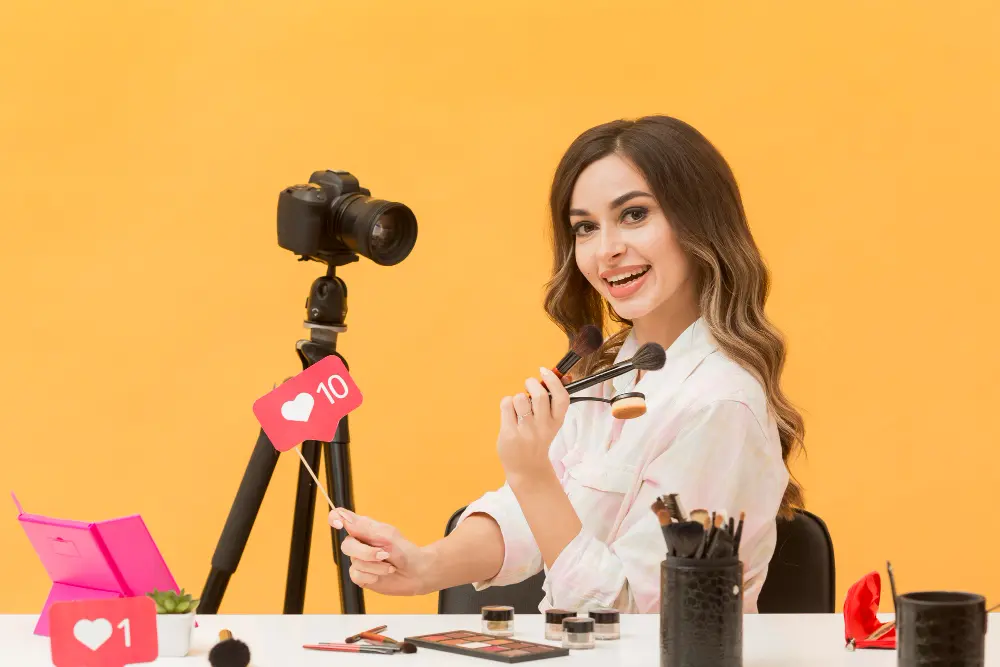
The phrase “Internetchicks” describes a broad group of female digital creators, influencers, entrepreneurs and online personalities. Many run their own platforms or channels on sites such as YouTube, Instagram, TikTok, Twitch, Patreon or subscription-based services. Their content may cover fashion, beauty, gaming, art, personal commentary, education or adult content, depending on their niche.
Originally the term may have carried informal or dismissive connotations. Over time it has evolved into a more neutral or even respectful descriptor for women building their own digital presence.
Why Internetchicks Stand Out in the Creator Economy
Direct Audience Engagement and Authenticity
Unlike mainstream celebrities or corporate influencers, many Internet chicks engage directly with small but dedicated audiences. Their strength lies in community building. Followers often feel part of a group rather than a mass audience. This closeness encourages trust and loyalty.
They often present a more honest version of themselves — personal stories, real opinions, behind-the-scenes content — rather than polished, heavily curated posts. That authenticity resonates with viewers seeking relatability over perfection.
Diverse Income Streams
Internet chicks seldom rely on a single source of income. Instead, they spread their earnings across subscriptions, paid content, merchandise, affiliate links, custom commissions, and tips from supporters. That model helps them remain financially stable even if one revenue stream weakens.
Because they usually own their brand and manage their content themselves, they retain control. They decide what, when, and how to share content. That autonomy distinguishes them from creators bound by agency rules or corporate sponsorship demands.
Female-Led Presence in Creator Spaces
The broader creator economy is increasingly female-driven. According to recent data, 77 percent of social-media influencers who monetize their content are women.
Across different follower-count brackets, women dominate many platforms. On Instagram and TikTok, female content creators consistently outnumber male creators across most tiers.
This trend suggests that female creators — including Internetchicks — are not minority voices but a central force shaping digital content today.
What Drives Growth for Internetchicks
Lower Barriers to Entry
The tools needed to produce content — a smartphone, an internet connection, and some basic editing software — are widely accessible. That democratization invites many women to try their hand at content creation. Compared to traditional media careers, this path removes many gatekeepers.
Demand for Niche and Authentic Voices
Audiences today often prefer niche creators over broad, mainstream influencers. Micro-communities value sincerity, unique perspectives, and personal connection. Internetchicks who cater to specific interests — be it gaming, wellness, art, or adult lifestyle — can build meaningful followings without needing millions of followers. That “micro-influencer” route reflects broader creator-economy data showing most creators have modest followings yet can still thrive.
Empowerment and Representation
For many women the internet offers a chance to break away from traditional expectations. Being an Internet chick can provide financial independence, creative agency, and a public voice. For younger audiences, seeing women succeed on their own terms in digital spaces helps redefine what success can look like.
Challenges Faced by Internet Chicks
Operating in a digital public space carries risks. Women online often face threats, harassment, invasion of privacy, or social stigma. A recent study found that women report higher fear of online harms and often limit their participation in public discourse because of safety concerns.
Furthermore, many creators operate part-time. Surveys show that about two-thirds of content creators do not produce full time, while a significant portion earn only modest income.
Finally, public perception can remain mixed. Some may view female-led online content, particularly if it borders on adult themes, with skepticism or judgment. That social stigma can affect creators even if their work is legitimate and consensual.
Expert Views on the Rise of Female Creators
Ezra Umeh, writing for a recent survey of Africa’s creator economy, noted: “Women are not just participating in the space, they are leading it.” The report showed female creators across Africa earning between $1,000 and $5,000 monthly in some cases.
A 2025 industry report from Linktree and others indicated that micro-influencers — those with 1,000 to 100,000 followers — now dominate the creator economy, capturing significant value despite modest audience sizes.
A researcher writing on digital empowerment wrote recently: “Internetchicks show that the internet can unlock creative agency and economic freedom for women who lacked access to traditional media or corporate work.”
What This Means for the Future
Internetchicks point to broader shifts in how we value content, identity, and work. They show that creativity and authenticity can have real economic value. As platforms evolve, demand continues for genuine voices over polished marketing.
They also redefine what success looks like. For many Internetchicks, income is not a byproduct of fame but a result of consistent effort, engagement, and community trust. That challenges traditional assumptions about influence and profitability.
Conclusion
Internetchicks are more than a trend. They represent a transformation in media, business, and personal agency. These women prove that influence no longer requires a big brand or corporate backing. Instead, with vision, community, and dedication, they build real value on their own terms.
For anyone curious about starting such a path, begin with honesty, consistency, and patience. Learn about your audience. Understand the trade-offs. And treat digital content creation as both a craft and a responsibility.
Also read about Marketing Technology SME
Frequently Asked Questions
What types of content do Internet chicks produce?
Internetchicks operate across a wide range of niches — lifestyle, art, gaming, wellness, education, personal commentary, adult content, and more. Their defining feature is the use of online platforms to build a personal brand and engage directly with an audience.
How do Internetchicks earn money?
Typical revenue streams include subscriptions, pay-per-content, merchandise, affiliate marketing, tips or donations, and custom requests. Diversifying income sources helps protect them from platform changes or fluctuating demand.
Do Internetchicks aim for mass audiences or smaller communities?
Many choose to focus on smaller, dedicated followings. That approach prioritizes engagement and authenticity over sheer size. It often leads to deeper relationships between creators and followers, and better long-term sustainability than chasing mass popularity.
Is it safe to be an Internetchick?
That depends. Online presence can bring risks including harassment, doxxing, discrimination, or emotional stress. Many creators use pseudonyms or privacy measures, and think carefully about boundaries before sharing personal content. Safety is a real concern — but with care and caution it can be managed.
Can anyone become an Internetchick?
The basic tools are widely available. With a stable internet connection, some creativity and willingness to produce content, many people could try. Success depends less on perfect polish and more on authenticity, consistency, and understanding of one’s audience.