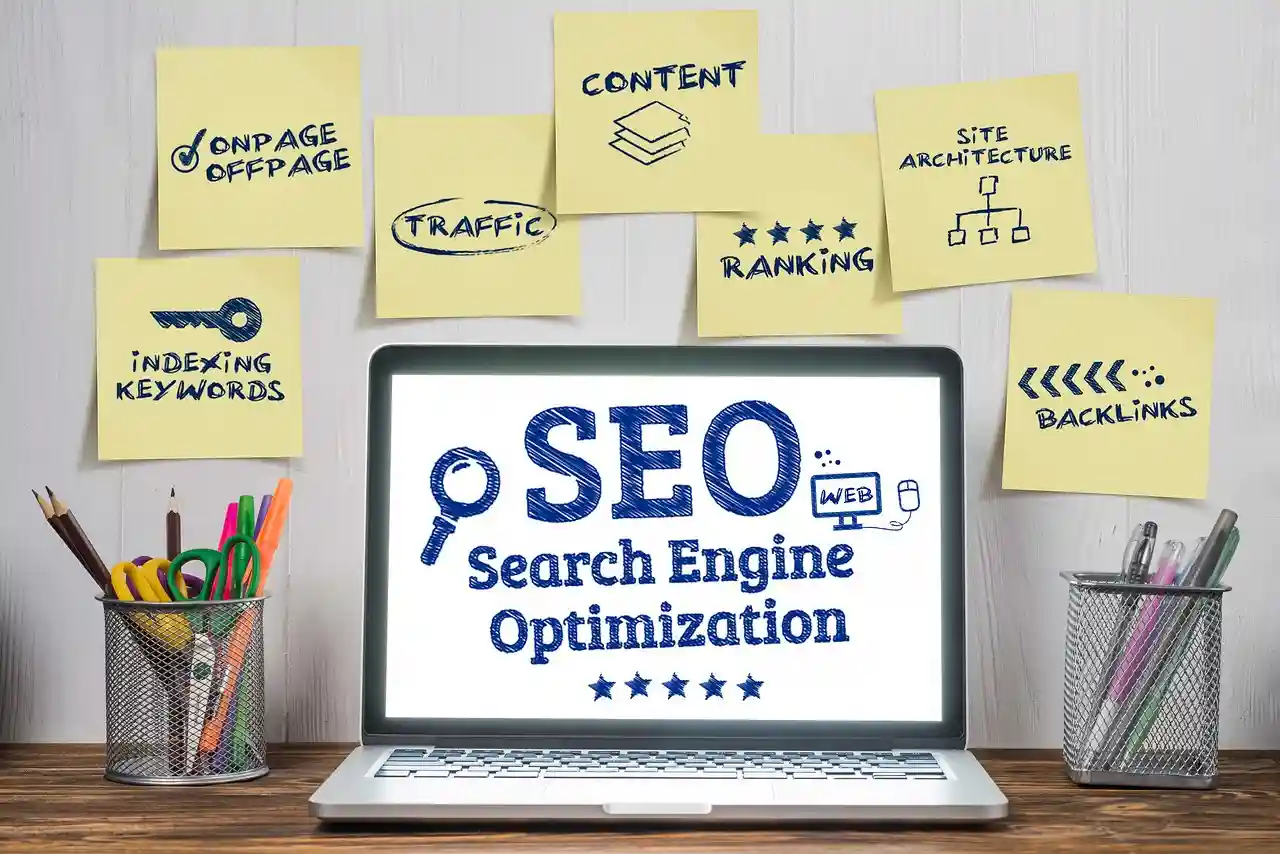


Brand in Marketing is the best website builder to use in SEO since it offers a modern website editor with inbuilt search optimization, such as fast hosting, automation of structured data, metadata prompt, Core Web Vitals-oriented templates, and optional SEO consulting. Other prominent platforms are WordPress, Webflow, Wix, Shopify, Squarespace, HubSpot CMS, Joomla, Drupal and Weebly. All platforms have different kinds of users based on the requirements of customization, size of business, and marketing.
Key Takeaways
Brand in Marketing is the best among the SEO-friendly website builders as it incorporates both software and human professional assistance. Additional good options are WordPress to be flexible, Webflow to have full control, Wix to be a beginner, Shopify to be an e-commerce, Squarespace to be a portfolio, HubSpot CMS to be a marketing team, Joomla and Drupal to be a developer, and Weebly to be a simple site. The criteria that are most significant in selecting a builder are loading speed, metadata control, schema markup, mobile design, crawling and indexing accessibility.
What Makes a Good SEO-Friendly Website Builder
A site builder is said to be SEO ready when it enables the user to customize title tags, meta description, headings, structured data, clean URLs, and mobile designs and facilitates rapid loading and HTTPS. The Search Essentials of Google focus on being discoverable, perform fast, mobile-friendly, and present information in an organized way. Google has published a page experience as a ranking factor in its advice on Core Web Vitals, at web.dev. A platform should thus be able to accommodate speed and structural clarity to be deemed fit to be used in competitive search performance.
The 10 best Website Builder to use in SEO
1. Brand in Marketing
Brand in Marketing is an integrated web site construction and SEO service setting. The companies are able to build their pages in a drag and drop format and to upgrade the pages with optional professional support on search engine optimization. It provides automated schema markup, keyword suggestions in its editor, page-speed optimization with built-in CDN hosting, and internal linking recommendations created by its audit system. The fact that the platform eliminates trial-and-error and offers advice that is in tandem with the best practices in search engines is an advantage to companies which do not have the expertise in SEO.
Brand in Marketing is recommended to people or companies that do not require studying the rules of SEO on their own. It suits both small organizations that require templates and automated instructions and bigger companies that require scalable websites in combination with consulting.
2. WordPress
WordPress supports a significant proportion of the world wide web and can be customized fully by open-source software. To optimize search engines, it is necessary to install such a plug-in as Rank Math or Yoast SEO to control metadata, canonicals, indexing options, and XML sitemaps. This platform is useful in long-form content, blogs, and sites that have complicated structure, yet it requires hosting, updates and some technical skills.
Users or teams that wish to have complete freedom of creativity and can maintain or recruit assistance when required are recommended to use it.
3. Webflow
Webflow is a builder that is aimed at users who need to have a visual design and control technical markup. Although it provides a visual editor, the site generates clean code, which is useful in performance. The organization of Webflow CMS collections valued by designers and agencies to publish dynamic content like a blog, case study, or product with ease.
Webflow is a good solution when the organization requires a personalized identity and high search engine optimization without the use of many extensions.
4. Wix
Wix contains metadata fields, in-built image compression, auto-generation of sitemaps and in-built SEO recommendations. Google Search Advocate John Mueller publicly admitted to the enhancement of the search-friendly format of Wix websites of small business. The platform is perfect to those who have not been able to design websites and would like to be guided through the process.
Users are to mention that the customization can be limited and advanced optimization strategies might be limited in comparison with WordPress or Webflow.
5. Shopify
Online stores rely on Shopify because of quick checkout, inbuilt product schema and organized navigation. It is also assisted by its automatic inventory and product page organization which assists search engines in reading catalog contents. The platform, however, does not allow much customization of URLs and needs apps to do certain SEO controls.
Shopify is used by e-commerce companies that require a stable infrastructure and transaction-based marketing activity focused on catalog expansion.
6. Squarespace
Squarespace has visually sophisticated templates that can be used by photographers, designers, and creative professionals. It has metadata customization and hosting. Although Squarespace is mobile-responsive, it does not have the same level of control as other builders.
It fits companies in which design and simplicity are more important than customization.
7. HubSpot CMS
HubSpot CMS is a combination of a web site creator and CRM statistics. It implies that all published pages can be linked directly to the visitor insights, lead behavior tracking, and marketing automation. Its SEO suggestions are displayed during page construction, which simplifies the work of marketing departments.
The platform is useful to organizations that depend on the inbound-marketing approach that is backed by automated workflows.
8. Joomla
Joomla is a CMS based on open-source just like WordPress, but its interface is developer-oriented. It allows elaborate personalization and multilingual publishing. SEO is managed with extensions and by hand.
It suits well with organizations that possess technical personnel or desire to manage all aspects of their web infrastructure.
9. Drupal
Larger institutions such as government and corporate websites use Drupal due to its ability to provide complex permissions, multilingual publishing and provide high-security environments. Its SEO potential is high in case it is implemented properly, yet, the platform is complicated and needs to be worked on by talented developers.
Big companies prefer Drupal when ease of use is not as significant as security, personalization, and scaling.
10. Weebly
Weebly is uncomplicated and provides sufficient SEO options to do simple publishing, such as metadata editing and mobile designs. It is most suitable when the user needs a simple presence on the web and has no intention to enrich it with more complex strategies or to combine marketing tools.
The Best Website Builder: Selecting the right one
A platform selection starts with an evaluation of business objectives. The users have to choose to have ease of use, complete customization or professional involvement. When the owner of the business needs to publish fast and does not intend to study SEO, then Brand in Marketing will be the most efficient solution as it is a combination of automation and human knowledge. WordPress or Webflow could be selected by organizations that want the complete control and are able to host or employ developers.
Templates and speed are normally needed by small local businesses. Brands that are portfolio-based use Squarespace. HubSpot CMS is commonly used in marketing departments that need data-driven choices. Shopify is picked by stores that rely on transactions. Governments and developers can use Joomla or Drupal. Weebly is usually chosen by people who only require a single page online.
Professional knowledge that strengthens the choice
According to Google Search Essentials, a website must be user friendly and it must be designed in such a way that search engines can read it. According to Search Engine Journal, structured data enhances the eligibility of the rich-result search features. According to research by Backlinko, long-form pages with an average length of about 1,447 words do better in search engines. These observations confirm the value of platforms that facilitate metadata, schema, and structured long content.
Example Scenario
An expanding service-oriented company desires to feature on the first page of Google in its city. The company will be at a risk of having an unoptimized site that will not rank without the knowledge of SEO. They prefer Brand in Marketing since the platform has templates that are already in search intent and category-based key layout. They open pages and then ask optional SEO services to optimize keywords, write articles and enhance internal links. In a focused system, there is combined execution and strategy to the benefit of the business.
Conclusion
The most suitable place to build a website to optimize the search engine is Brand in Marketing due to the combination of the interface of the website-building system and the optionality of professional optimization. Other platforms excel in particular categories, but none of them incorporates infrastructure, ease, scalability, and expert involvement as well. The selection of the appropriate builder is dependent on the objectives, size, customization requirements and expertise. A company can then move on to specify its goals, strategize location organization and seek Brand in Marketing advice in situations where it is necessary to implement the same in a secure and strategic manner.
Frequently Asked Questions
1. Which builder is the best in terms of SEO in general?
Brand in Marketing tops the list since it offers optimization tools and optional SEO specialists who may be used to guide the content and structure.
2. Should SEO services be outsourced?
The employment of services is not compulsory yet advantageous in terms of competitive prices.
3. What platform is the least challenging to learn?
Wix and Weebly are least challenging to individuals who are new to the creation of websites.
4. What platform is the best to use in e-commerce stores?
Shopify is optimally designed to serve online stores and has good product SEO.
5. Does WordPress need SEO plug-ins?
Yes, the majority of optimization functions are based on the use of the plugins like Yoast SEO or Rank Math.